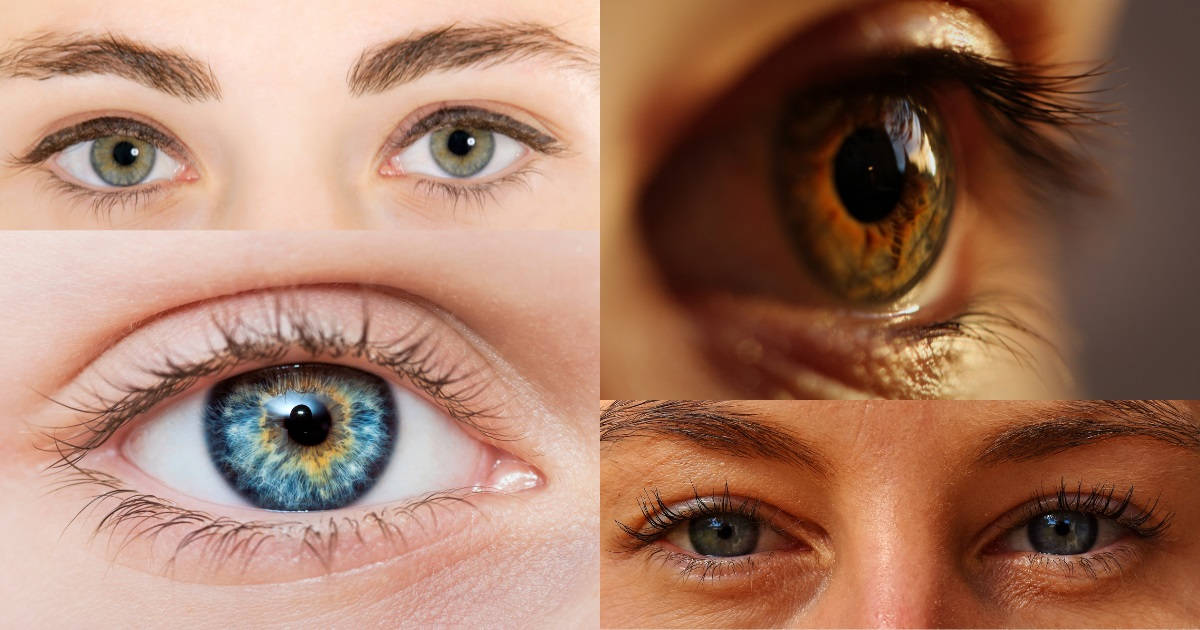
Your eyes are essential for experiencing the world around you,
yet they often don’t get the care they deserve. Whether staring at screens all day or simply aging, taking proactive steps to protect your vision can help prevent eye strain, dryness, and long-term vision problems.
Here are nine practical ways to keep your eyes healthy and sharp.
1. Eat a Nutrient-Rich Diet
Having a balanced diet is very important when it comes to maintaining eye health. Foods rich in vitamins A, C, and E, omega-3 fatty acids, and zinc are really helpful in preventing age-related eye conditions like macular degeneration and cataracts. Some great options include:
- Leafy greens (spinach, kale)
- Carrots and sweet potatoes
- Fatty fish (salmon, tuna)
- Nuts and seeds (almonds, flaxseeds)
- Citrus fruits (oranges, lemons)
2. Stay Hydrated
Dehydration can lead to dry, irritated eyes. Drinking plenty of water helps maintain adequate eye moisture levels, preventing discomfort and improving tear production.
3. Follow the 20-20-20 Rule
Spending hours staring at a screen can make your eyes strained and fatigued. The 20-20-20 Rule helps prevent digital eye strain. This rule is:
Every 20 minutes, look at something 20 feet away for at least 20 seconds.
This simple habit reduces eye strain and keeps your vision fresh.
4. Get Regular Eye Exams
Routine eye check-ups can detect early signs of vision problems, even before noticeable symptoms appear. An optometrist can check for issues like glaucoma, cataracts, and refractive errors (nearsightedness, farsightedness). Adults should have an eye exam at least once every two years, or annually if they have existing vision problems.
5. Wear UV-Protective Sunglasses
Prolonged exposure to ultraviolet (UV) rays can increase the risk of cataracts and macular degeneration. When outside, even on cloudy days, always wear sunglasses that block all, that is 100%, of UVA and UVB rays.
6. Get Enough Sleep
Just like your body, your eyes also need rest. Not getting enough sleep can cause your eyes to become dry, start twitching, and increase your eyes’ sensitivity to light. Aim to get 7-9 hours of sleep each night to allow your eyes to recover and function properly.
7. Reduce Screen Time and Blue Light Exposure
Excessive screen time on your cell phone can lead to eye strain, headaches, and dryness of the eyes. To minimize these effects:
- Use blue light filter glasses or screen filters.
- Adjust screen brightness to match ambient lighting.
- Blink frequently to keep your eyes moist.
8. Exercise Regularly
Eye health is also benefitted by making sure you get enough physical activity, because this improves blood circulation, ensuring that enough oxygen and nutrients reach your eyes. You can also reduce the risk of getting diabetes and high blood pressure, both of which can negatively impact your vision health, with regular exercise.
9. Avoid Smoking. If You Have a Habit, Quit.
Smoking regularly increases your risk of cataracts, macular degeneration, and optic nerve damage. By quitting smoking – or never starting – you can significantly improve long-term eye health and overall well-being.
One More Thing – Take a Supplement for Your Eyes.
With the right eye supplement, you can boost the key vitamins and nutrients that your eyes need, and promote a healthy inflammatory response in your eyes, allowing you to have clearer vision. There are many good supplements out there that support healthier eyesight.
See your eye supplement options
Final Thoughts
Taking care of your eyes should be a priority, not an afterthought. Following these nine tips, you can maintain healthy vision and reduce the risk of eye-related issues as you age. Start implementing these habits today to keep your eyes sharp and strong for years to come.